Weight loss is a complex and multi-faceted topic that is often shrouded in myths and misinformation. In this article, we will be discussing some of the most common weight loss myths and providing evidence-based information to help bust these myths and provide a clearer understanding of what it takes to lose weight and maintain a healthy weight.
Myth #1: Crash diets are effective for weight loss. Crash diets, also known as fad diets, are often marketed as quick and easy ways to lose weight. These diets often involve cutting out entire food groups or drastically reducing calorie intake, which can lead to rapid weight loss in the short term. However, crash diets are not sustainable in the long term and can lead to muscle loss, nutrient deficiencies, and a slowed metabolism. Additionally, studies have shown that people who lose weight through crash diets are more likely to regain the weight they lost, and often end up weighing more than they did before they started the diet.
Myth #2: Carbs make you gain weight. Carbohydrates have gotten a bad reputation in recent years, with many people believing that they are the primary cause of weight gain. However, carbohydrates are an essential nutrient that provides energy for our bodies. The key is to choose the right types of carbs, such as whole grains, fruits, and vegetables, and to limit processed, high-sugar foods. Studies have shown that a diet high in whole grains is associated with a lower risk of obesity and weight gain.
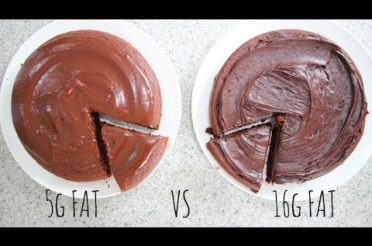
Myth #3: Eating fat makes you fat. Fat has also been demonized as a weight loss villain, but it is actually an essential nutrient that our bodies need to function properly. Eating healthy fats, such as those found in nuts, seeds, avocados, and olive oil, can actually help with weight loss by keeping you feeling full and satisfied, which can help prevent overeating. It’s important to note that not all fats are created equal, saturated and trans fats should be limited as they have been linked to various health issues including obesity.
Myth #4: You have to exercise for hours to lose weight. Exercise is an important part of a healthy lifestyle and can aid in weight loss, but it is not necessary to exercise for hours every day to see results. Studies have shown that as little as 30 minutes of moderate-intensity exercises, such as brisk walking or cycling, most days of the week can be effective for weight loss. Additionally, weight training can help build muscle mass, which can increase your metabolism and make it easier to lose weight.
Myth #5: You can target specific areas of your body to lose weight. Many people believe that they can target specific areas of their body, such as the stomach or thighs, to lose weight. However, weight loss occurs when you burn more calories than you consume, and it is not possible to spot and reduce fat in specific areas of the body. A healthy diet and regular exercise can help you lose weight overall, but it is important to remember that where you lose weight first may vary from person to person.
In conclusion, weight loss is a complex and multi-faceted topic and there are many myths and misconceptions that can make it harder to understand. Crash diets, avoiding carbs, demonizing fats, and exercising for hours a day are not the keys to weight loss. Instead, a sustainable and healthy diet, regular exercise, and a balanced lifestyle are the best ways to lose weight and maintain a healthy weight for the long term.
In this article, we have discussed some of the most common weight loss myths and provided evidence-based information to help bust these myths and provide a clearer understanding of what it takes to lose weight and maintain a healthy weight. The keywords
the article by discussing how to develop a sustainable weight loss plan and tips for maintaining weight loss.
When it comes to developing a sustainable weight loss plan, the key is to focus on making small, gradual changes to your diet and exercise routine rather than drastic, extreme measures. Here are some tips for developing a sustainable weight loss plan:
- Set realistic goals: It’s important to set realistic and achievable weight loss goals. Aiming to lose 1-2 pounds per week is a healthy and sustainable rate of weight loss.
- Focus on healthy eating: A healthy diet should be based on whole, nutrient-dense foods such as fruits, vegetables, whole grains, lean proteins, and healthy fats. Avoid processed foods and limit your intake of added sugars and saturated fats.
- Incorporate physical activity: Regular exercise is an important part of a sustainable weight loss plan. Aim for at least 30 minutes of moderate-intensity exercise most days of the week.
- Get enough sleep: Getting enough sleep is important for weight loss. Aim for 7-9 hours of sleep per night.
- Practice mindfulness: Mindfulness practices such as meditation and yoga can help you manage stress and improve your overall well-being.
Maintaining weight loss can be challenging, but it is possible with the right mindset and approach. Here are some tips for maintaining weight loss:
- Find a support system: Surround yourself with friends and family who will support and encourage you in your weight loss journey.
- Stay accountable: Keep track of your progress and stay accountable to yourself and your goals.
- Be flexible: Life is unpredictable and there will be times when you may slip up or have a setback. It’s important to be flexible and not beat yourself up over small mistakes.
- Keep challenging yourself: Continue to set goals and challenge yourself to improve your fitness and health.
- Don’t give up: Remember that weight loss is a journey and it’s important to be patient and persistent.
In summary, weight loss is a complex and multi-faceted topic that is often shrouded in myths and misinformation. A sustainable weight loss plan should focus on making small, gradual changes to your diet and exercise routine, and incorporating healthy habits such as regular physical activity and adequate sleep. Maintaining weight loss can be challenging, but it is possible with the right mindset and approach, including finding a support system, staying accountable, being flexible, and not giving up.